
Community

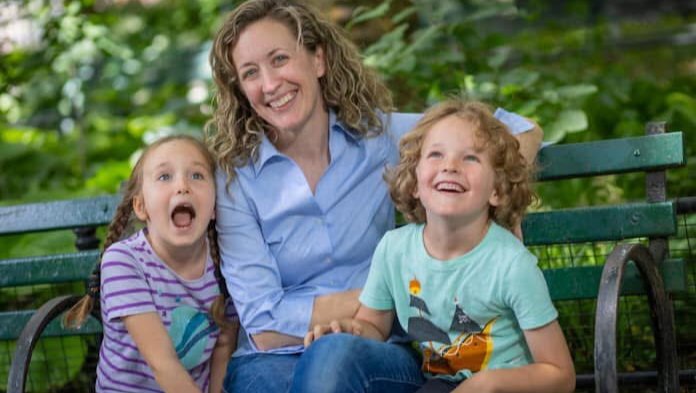
Support for Rachel, Justin, and Ben After the Fire
- 21% • $20,990 raised
21%
2 mos
2 hrs
2 hrs
2 hrs
2 hrs
4 hrs
4 hrs
5 hrs
5 hrs
5 hrs
5 hrs
6 hrs
6 hrs
7 hrs
7 hrs
7 hrs
10 hrs
16 hrs

17 hrs
19 hrs
21 hrs
21 hrs
22 hrs
23 hrs
23 hrs
23 hrs

24 hrs
24 hrs
1 d
1 d

1 d
By Moe Abu
By Daneen Wolf

By Camille Altringer

By Sarah Beresford

By Taylor Hall

By Megan Mertes

By Aaliyah Silas
By Bob Burkmier
By michael flanagan

By Diana Estudillo
By Scott Titus

By Heather Stumfoll
By Megan Brija

By Julene Berrier

By Brittanie Doaks
By Christopher Campbell
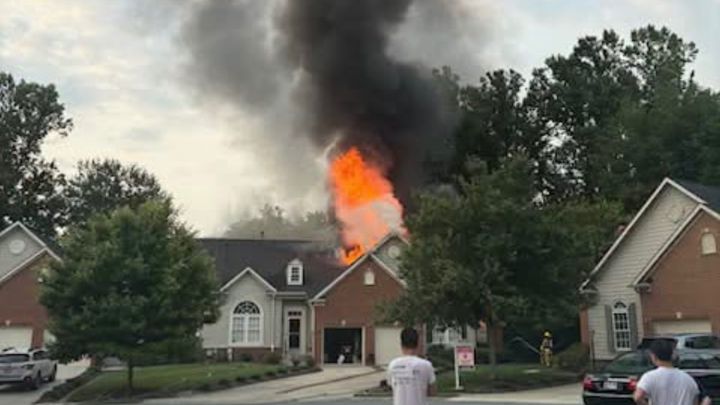
By Cindy Lee

By Nicole Reid
By Anne Nadzo
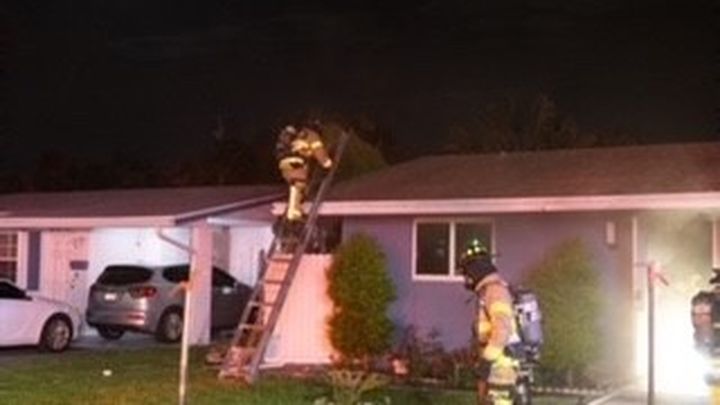
By Yosleydis Toledo
By Amanda Mack
By Malex Fraley

By Breanna lucey

By Braelynn Warnack
By Hailey Nichols
By Chris Holloway
By Nevaeh Ikeda

By Jovena Scabbyrobe
By April Mielke
By Erin Frost
This community provides a space for individuals and families affected by home fires to connect and engage with others. It is intended for sharing information, offering support, and helping one another navigate recovery. If you are in need of immediate assistance, the American Red Cross is available 24/7 at 1-800-RED-CROSS (1-800-733-2767) or redcross.org/fire.
In addition to the physical and emotional impact of a disaster, you may also face financial challenges in the days, weeks and even months or years ahead. Download the Red Cross financial guide for resources that will help.
The Red Cross responds to a disaster every 8 minutes. No one else does this: not the government, not other charities. From small house fires to multi-state natural disasters, the American Red Cross goes wherever we’re needed, so people can have clean water, safe shelter and hot meals when they need them most. We respond to an average of 60,000 disasters per year, the majority of those are home fires.
Do not cut or walk past colored tape that was placed over doors or windows to mark damaged areas unless local authorities advise that it is safe to do so. If a building inspector has placed a color-coded sign on the home, do not enter it until you get more information, advice and instructions about what the sign means and whether it is safe to enter your home.
If you have children, leave them with a relative or friend while you conduct your first inspection of your home after the fire. The site may be unsafe for children, and seeing the damage firsthand may upset them.
Learn more in depth steps on how to check your home after a fire.
Disasters are upsetting experiences for everyone involved. Children, senior citizens, people with disabilities and people for whom English is not their first language are especially at risk and may need extra care. But everyone, even the people that others look up to for guidance and assistance, is entitled to their feelings. Everyone deserves support throughout the recovery process. Learn more about emotional recovery.
For free 24/7 counseling or support, call or text the American Red Cross Disaster Distress Helpline at 1-800-985-5990.
Immediately discard any food that has been exposed to heat, smoke or soot. Pay attention to how you and your loved ones are experiencing and handling stress. Recovery takes time, be sure to include emotional recovery in your plan. Watch pets closely and keep them under your direct control.
Don’t just repair your home, build in fire-resistant features to help protect against future damage. Consult a professional about replacing drywall and insulation that has been soaked by water from fire hoses. It can not be dried out and maintain structural integrity or resistance to mold and mildew. Learn more cleaning tips after a fire.
Install smoke alarms on every level of your home, inside bedrooms and outside sleeping areas. Test smoke alarms every month. If they’re not working, change the batteries. Talk with all family members about a fire escape plan and practice the plan twice a year.
If a fire occurs in your home, GET OUT, STAY OUT and CALL FOR HELP. Never go back inside for anything or anyone.
If a fire starts, you may have less than two minutes to get to safety so time your fire drills. Everyone in your household should know two ways to escape from each room in your home. Smoke is dangerous, so get low and go. Decide where to meet once you get outside. Get out and stay out. Never go back inside for people, pets or things.
Disasters often strike quickly and without warning. They are frightening for adults, and can be traumatic for children. Your family may have to leave home and change your daily routine. Be prepared to give your children guidance that will help reduce their fears.
Preparedness starts with each one of us taking steps to stay safe before, during, and after disasters or emergencies. By setting aside the time and resources to be prepared at home, you can help keep you family safer – and help keep emergency responders safer, too! The Red Cross has many resources to help youth and their grown-ups be better prepared at home, learn more.
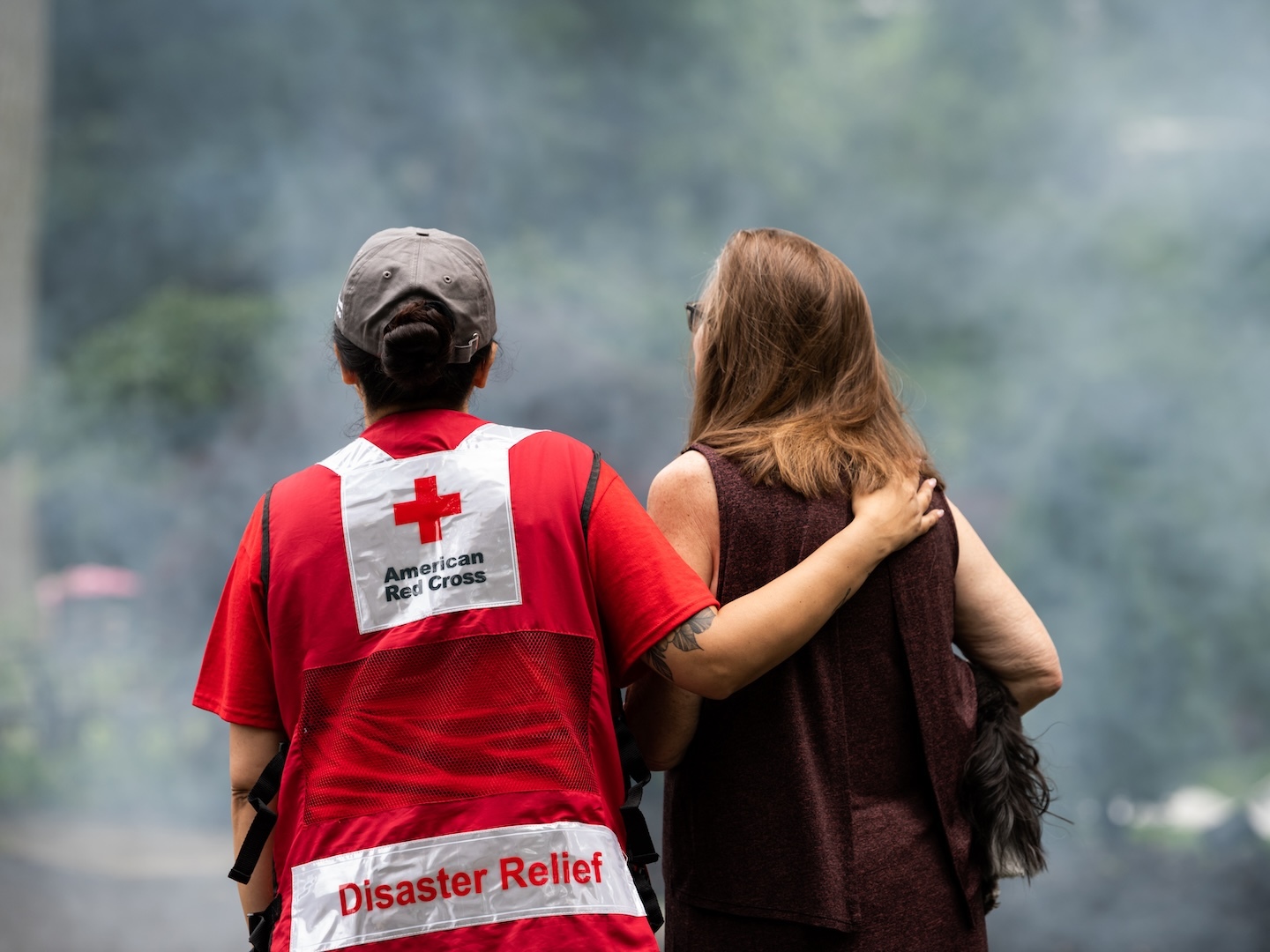
This is a photo illustration of a Red Cross Disaster Action Team.
We want to make this a place where everyone feels able to connect, so offer kind words, celebrate each other, be empathetic, and share thoughtful advice.
Treat everyone with kindness and respect as we do not tolerate bullying, harassment, and personal attacks. Avoid degrading or hateful comments and keep discussions focused on positive connection.
Share genuine content and engage in honest conversation. Avoid spam, misleading or fraudulent content, self-promotion, advertising, and malicious links.
Think carefully about what you share, to help protect your own privacy and that of others. Avoid disclosing personal information such as contact details, bank details, passwords, location, or other sensitive data.
We want this community to stay safe and respectful so do your part to engage positively and comply with our Terms of Service (https://www.gofundme.com/c/terms). If you see anything that you are concerned about, please report it so we can review.